
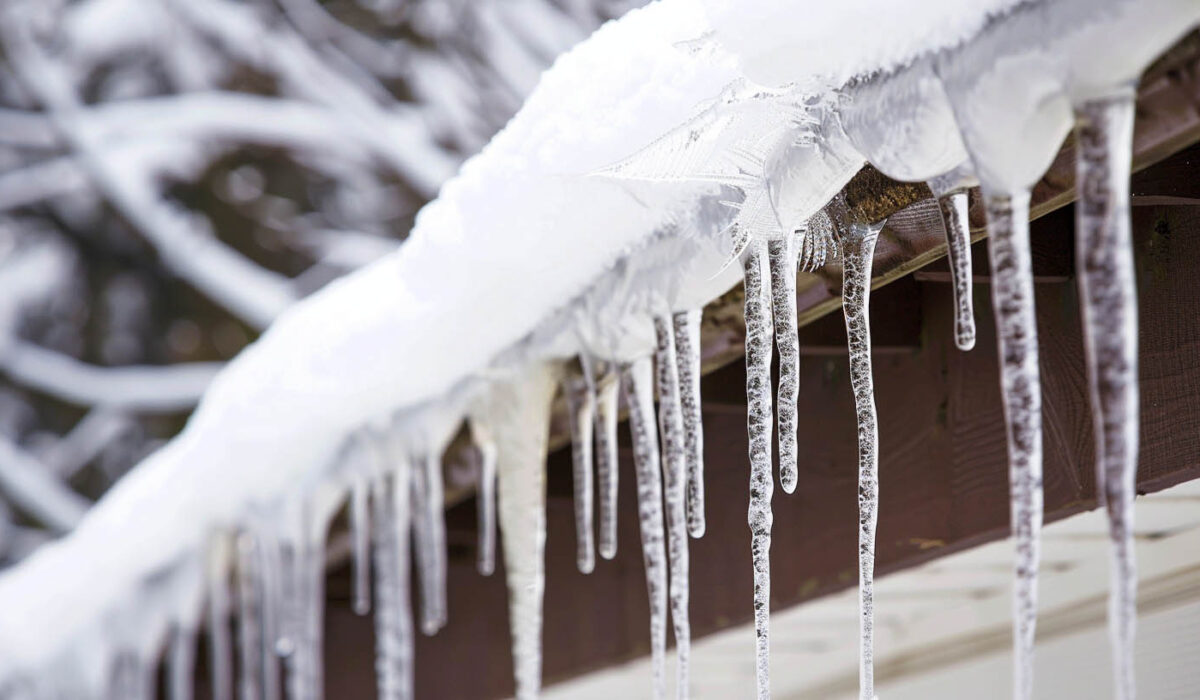
The winter season brings unique challenges for homeowners, particularly concerning their roofs. At The Roofing Guys, we understand the issues posed by ice dams, which often result from melting snow followed by freezing temperatures. If not addressed promptly, these can lead to significant structural damage. Our expertise in understanding the mechanics of heat loss through an effective air barrier, coupled with the proper insulation and ventilation strategies, is crucial for homeowners. We aim to raise awareness of these factors to aid in safeguarding your home’s interior and maintaining its integrity throughout the colder months. By partnering with The Roofing Guys, you can take preventative measures that ensure long-term benefits for your roof.
Understanding Ice Dams and Their Impact on Tulsa Roofs
The formation of ice dams significantly impacts roofing during Tulsa, OK winters. As melting snow flows down the roof and refreezes at colder eaves, it creates a ridge of ice that prevents proper drainage, leading to water pooling. This pooling can cause water damage to the underside of the roof and potentially result in structural damage. Homeowners need to be aware of the associated risks, including possible growth of mold within unsealed attic hatches and framing elements, which can jeopardize air quality and safety.
Contact UsWhat Causes Ice Dams During Winter Months
Warm air rising from the inside of your home contributes significantly to the formation of ice dams during winter months. As this warmer air reaches the attic, it melts the snow on the roof, causing water to flow towards the colder eaves. If the melted water refreezes at the edge of the roof, a ridge of ice is created, blocking further drainage. Poor insulation, unsealed attic hatches, and inadequate ventilation exacerbate this issue, leading to potential water damage and structural risks for homeowners.
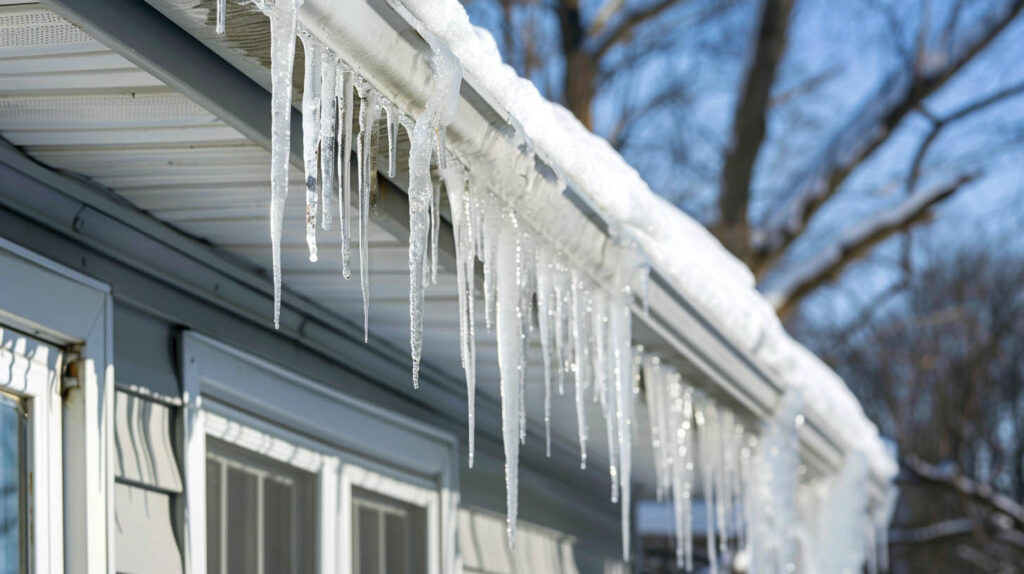
How Ice Dams Damage Roofs and Homes
The presence of ice dams can lead to severe structural damage within your home. As melting snow accumulates at the colder eaves, it can create a ridge of ice that traps water beneath shingles, leading to leaks through the roof’s underside. Over time, these leaks can damage attics, ceilings, and even exterior walls, fostering conditions for mold growth. The moisture can also compromise air quality and result in costly repairs, making it crucial for homeowners to address ice dam formation proactively.
Recognizing Early Warning Signs of Ice Dams
Knowing the early warning signs of ice dam formation can help you act before serious damage occurs. While large, beautiful icicles hanging from your roof might look picturesque, they are often a clear indicator that a problem is developing.
These icicles mean that snow is melting on your roof and refreezing at the edge, which is the exact process that creates an ice dam. Spotting these warning signs allows you to investigate further and take steps to protect your roof shingles and home. Below, we’ll cover the specific symptoms to watch for.
Common Symptoms to Look For on Your Roof
Identifying early signs of ice dam formation is crucial for homeowners. Look for icicles hanging from your eaves, which suggest warmth from the inside is melting snow on the roof. Pay attention to the underside of the roof in your attic; any moisture or water stains can indicate water damage from ice dams. Additionally, check for variations in the roof’s surface temperature using an infrared camera; colder spots may signal inadequate attic insulation and ventilation, creating an environment prone to ice dam complications.
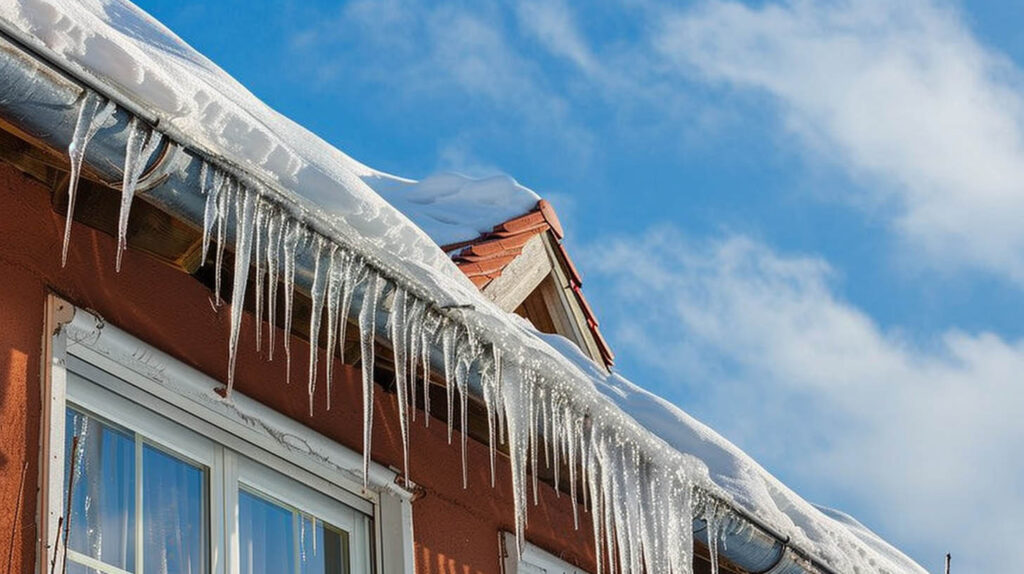
Risks for Low-Slope and Shingle Roof Systems
Low-slope and shingle roof systems face distinct challenges when it comes to ice dam formation. On low-slope roofs, inadequate drainage can lead to pooling water, increasing the risk of water damage as it seeps beneath shingles or even into the insulation. Shingle roofs are particularly vulnerable due to their reliance on gravity for water runoff, which ice dams hinder. Failure to maintain proper attic ventilation exacerbates this risk, causing moisture buildup that can compromise roofing integrity and encourage mold growth.
Preventive Strategies: Protecting Your Roof from Ice Dams
The best way to deal with ice dams is through prevention. Long-term solutions focus on keeping your entire roof cold so that snow doesn’t have a chance to melt in the first place. This involves tackling the root causes within your home’s attic.
Effective prevention strategies include improving your attic insulation, ensuring proper attic ventilation, and sealing air leaks. In some cases, installing roof heating cables can also be a helpful tool. The following sections will explain how these methods work to protect your home.
Importance of Quality Insulation and Ventilation
A well-insulated and ventilated attic plays a crucial role in preventing ice dams during winter months. Quality insulation minimizes heat loss from the living space, ensuring that the underside of the roof remains cool, thus curbing ice dam formation. Proper ventilation, achieved through continuous soffit vents and exhaust systems, maintains a consistent temperature throughout the attic, allowing melting snow to drain effectively. Investing in effective materials like spray foam and fiberglass insulation creates a robust barrier against air leakage, safeguarding your home from water damage.
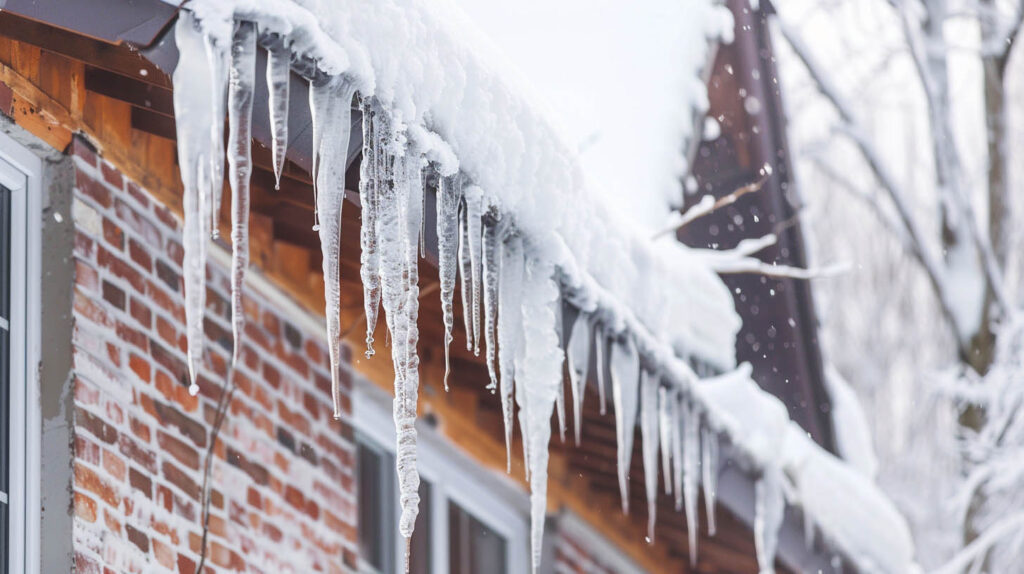
Installing Roof Heating Cables and Effective Materials
Cabling systems designed specifically for roofs can effectively mitigate the formation of ice dams during harsh winter months. Strategically placing heating cables along the eaves, gutters, and valleys encourages melting of snow, preventing freezing and subsequent ice dam formation. Additionally, utilizing quality materials, such as fiberglass insulation and spray foam, creates an effective air barrier and significantly reduces air leakage. When combined with good attic ventilation, these elements protect both the roof and the interior of the home from potential water damage and structural issues.
Call Us 918-842-8700Contact Us
In summary, protecting your roof from ice dams is vital for maintaining the integrity of your home during the harsh winter months. By understanding the causes and consequences of ice dams, you can take proactive steps to mitigate their impact. Implementing quality insulation and ventilation, along with the use of roof heating cables, can significantly reduce the risks associated with these icy formations. As trusted experts in roofing, The Roofing Guys are committed to ensuring your roof remains in top condition. If you’re ready to safeguard your home this winter, don’t hesitate to reach out for quotes on our services. Remember, a well-maintained roof is a happy roof!
Frequently Asked Questions
How to prevent ice dams on roof in winter?
To prevent an ice dam, keep your whole roof cold. This is achieved by sealing air leaks into your attic, adding sufficient attic insulation, and ensuring your roof has proper ventilation. Keeping your gutters clean also helps water drain properly.
What is the best roof material to prevent ice dams?
A metal roof is often considered the best roof material for preventing an ice dam because its slick surface helps shed snow quickly. However, proper insulation and ventilation are the most critical factors for any roof type, including traditional shingles.
Read our blog: Eco-Friendly Roofing: Sustainable Materials Worth Considering