
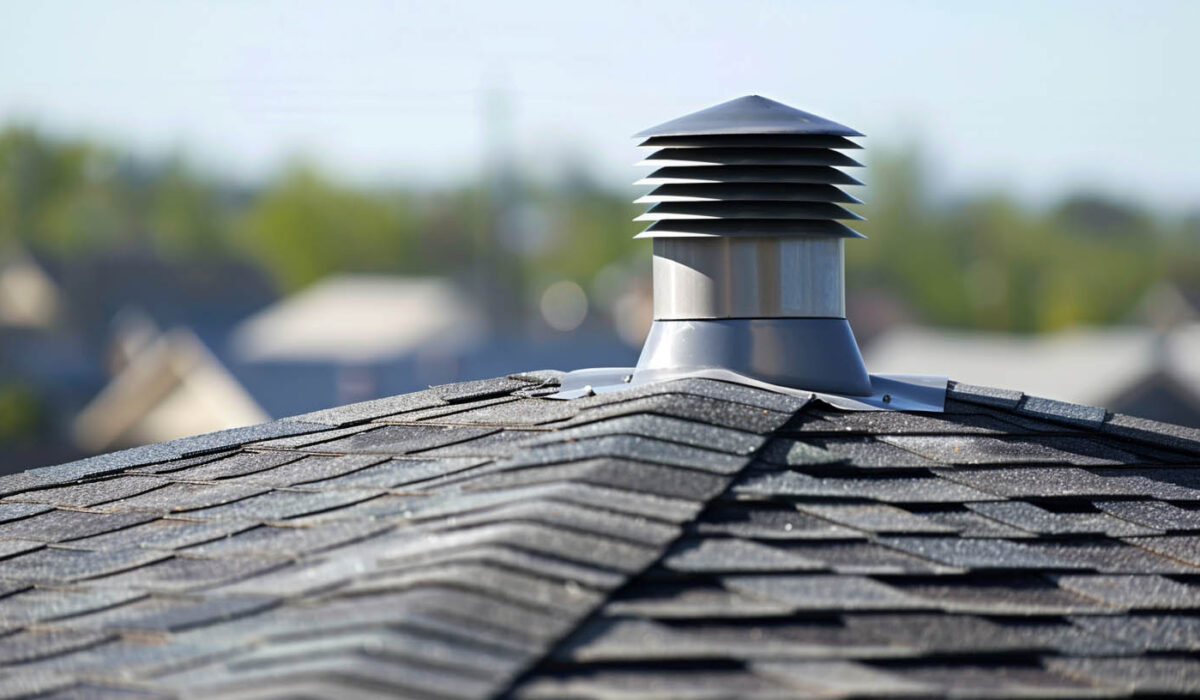
Are you noticing higher energy bills or inconsistent temperatures in your home? Roof ventilation could be the missing link. Effective roof ventilation plays a pivotal role in controlling energy bills and enhancing indoor comfort. By ensuring continuous airflow through your attic and roof spaces, you keep hot air out in summer and prevent moisture issues year-round. At The Roofing Guys, we help Tulsa homeowners create energy-efficient, comfortable homes with top-quality ventilation solutions. Let’s explore how the right roof ventilation can benefit your property.
Understanding Roof Ventilation and Its Importance
Roof ventilation is more than just a building detail—it directly impacts your home’s energy usage and structural integrity. Without proper ventilation, hot air and moist air become trapped, stressing your roof and insulation. A strategic ventilation system creates the balance needed to preserve your roofing materials and the comfort of your living areas.
Wondering how attic ventilation contributes to energy efficiency? By managing airflow, it lowers attic temperatures, reduces humidity, and keeps your entire home performing at its best. Now, let’s look at how this works in your home.
Contact UsHow Roof Ventilation Works in Your Home
Effective roof ventilation systems maintain a balance of outside air and indoor conditions, crucial for your home’s energy efficiency. Intake vents draw in cooler air while exhaust vents expel warm, moist air, facilitating proper airflow. This interaction helps regulate attic temperatures, preventing excessive heat buildup during summer months and ensuring colder months also benefit from effective ventilation. By mitigating temperature extremes, adequate ventilation safeguards structural integrity and extends the lifespan of your roof, ultimately enhancing both comfort and energy savings.
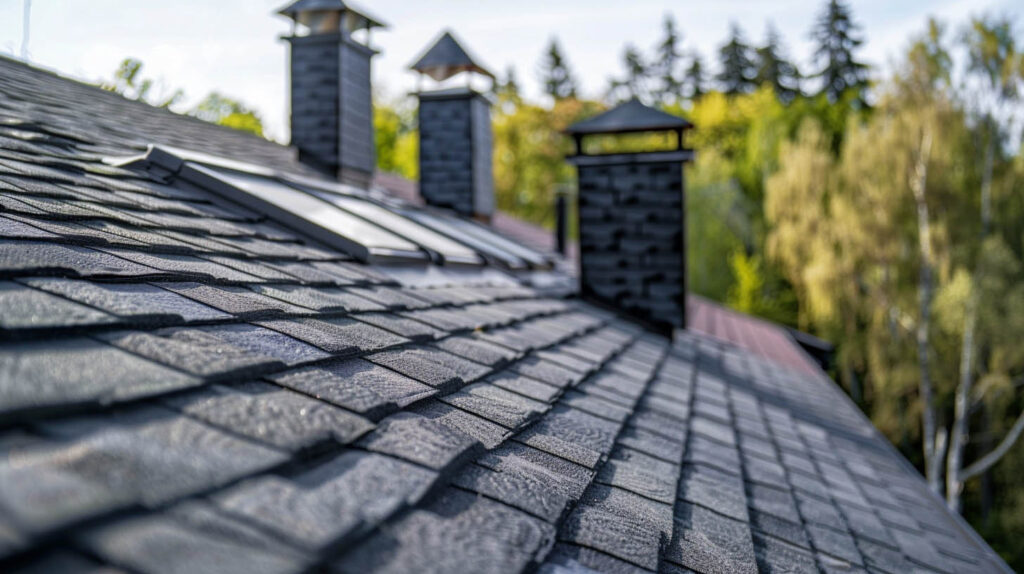
The Role of Attic Ventilation in Energy Efficiency
Attic ventilation plays a pivotal role in enhancing a home’s overall energy efficiency. By facilitating proper airflow, it allows hot air to escape during warmer months and cool air to circulate throughout living spaces, reducing reliance on cooling systems. This thermal regulation not only lowers energy consumption but also contributes to lower utility bills. Furthermore, adequate ventilation minimizes the risk of moisture buildup and structural damage, extending the lifespan of your roof and preventing costly repairs in the long run.
The Link Between Roof Ventilation and Energy Bills
When roof ventilation is overlooked, energy bills often climb. With proper roof ventilation, your home’s energy costs stay manageable because your HVAC system isn’t fighting against trapped heat or moisture. Consistent airflow removes excessive warmth in summer and dangerous moisture in winter, stabilizing utility bills throughout the year.
Optimal ventilation also means you spend less on repairs caused by heat or humidity-related damage. Let’s see how good ventilation systems directly reduce your cooling and heating expenses—and what happens if they’re missing.
Ways Proper Ventilation Reduces Cooling and Heating Costs
Effective ventilation systems create a balanced airflow, regulating indoor temperatures throughout the year. In summer months, intake and exhaust vents promote the escape of hot air, reducing the reliance on air conditioning and ultimately lowering energy bills. During colder months, proper attic ventilation prevents heat buildup, enhancing the efficiency of heating systems and minimizing energy consumption. By establishing adequate ventilation, homeowners can expect energy savings and prolong the lifespan of their roofing system while maintaining indoor comfort year-round.
Consequences of Poor Ventilation on Utility Expenses
Inefficient ventilation systems can lead to significant spikes in energy bills. Excessive heat buildup in enclosed spaces, coupled with inadequate roof ventilation, forces HVAC systems to work harder to maintain comfortable indoor temperatures. This escalates energy consumption and contributes to higher utility expenses. Additionally, poor airflow risks moisture buildup, which may foster mold growth and compromise air quality. Over time, these issues not only inflate costs but also necessitate costly repairs or even roof replacement, impacting overall home efficiency.
Enhancing Indoor Comfort Through Better Ventilation
Enjoying a consistently comfortable home is possible when you invest in better roof ventilation. Enhanced airflow ensures even indoor temperatures and prevents moist air from breeding mold or musty odors. This is particularly important in Tulsa’s climate, where hot summers and cold winters can otherwise make it challenging to maintain comfort.
If you’ve ever wondered whether installing roof vents really improves indoor comfort—the answer is yes. Proper ventilation keeps your home’s atmosphere fresh and your family comfortable year-round. Let’s dive deeper into how roof vents make this possible.
The Impact of Roof Vents on Air Quality
Roof vents significantly impact your home’s temperature and air quality. They allow warm air to escape and fresh air to circulate, preventing heat buildup in summer and moisture retention in winter.
Balanced ventilation enhances indoor air quality by replacing stale, humid air with cleaner, drier air, reducing mold growth and allergens. Homeowners often experience fewer hot spots and stuffy rooms after upgrading their roof vents.
Can installing roof vents improve indoor comfort? Absolutely. They create a healthier living environment and help your HVAC system operate more efficiently. Roof vents are a simple upgrade that boosts comfort and peace of mind.
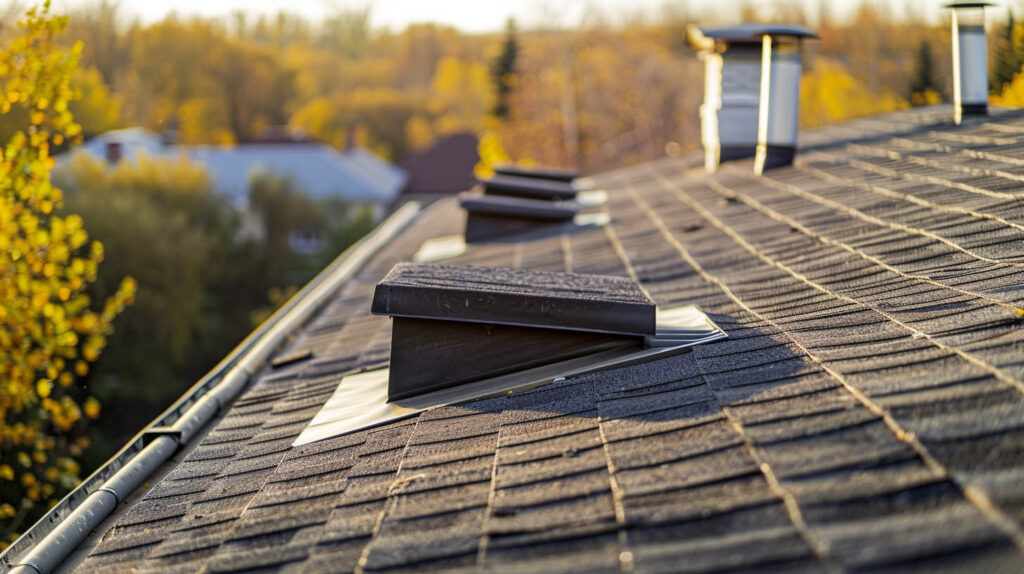
Signs Your Comfort Issues Stem from Inadequate Ventilation
Poor ventilation may be the cause of your discomfort without you realizing it. Look for these signs:
- Persistent hot or cold spots, especially in upper rooms
- Noticeable humidity, dampness, or musty odors
- Mold or dark spots on ceilings and attic surfaces
- Peeling paint or blistering near the roofline
- High utility bills during peak seasons
If you notice these issues, your home might have airflow problems in the attic or roof spaces. These symptoms indicate energy inefficiency linked to ventilation issues. A professional inspection from The Roofing Guys can restore your comfort and save you money.
Call Us 918-842-8700Contact Us
Proper roof ventilation is crucial for your home’s structural integrity, energy efficiency, and indoor comfort. A well-ventilated attic can lower energy bills and enhance air quality. The benefits of investing in quality roof ventilation are clear. Ready to improve your energy management? Contact The Roofing Guys for quotes. Our certified experts will help keep your home comfortable and efficient year-round.
Frequently Asked Questions
How do I know if my home needs better roof ventilation?
Look for signs like unusually high utility bills, temperature imbalances, humidity in the attic, or visible mold. Regular roof inspections from a certified team like The Roofing Guys can assess your attic ventilation and help you optimize energy efficiency and indoor comfort.
Do roof vents make a house colder in winter?
No, roof vents do not make your house colder in winter. They help remove moist air and maintain energy performance, allowing warmer air to stay in living areas. Properly installed vents support insulation effectiveness, keeping your home comfortable through the colder months.
Read our blog: DIY Roof Maintenance Tips to Extend the Life of Your Roof