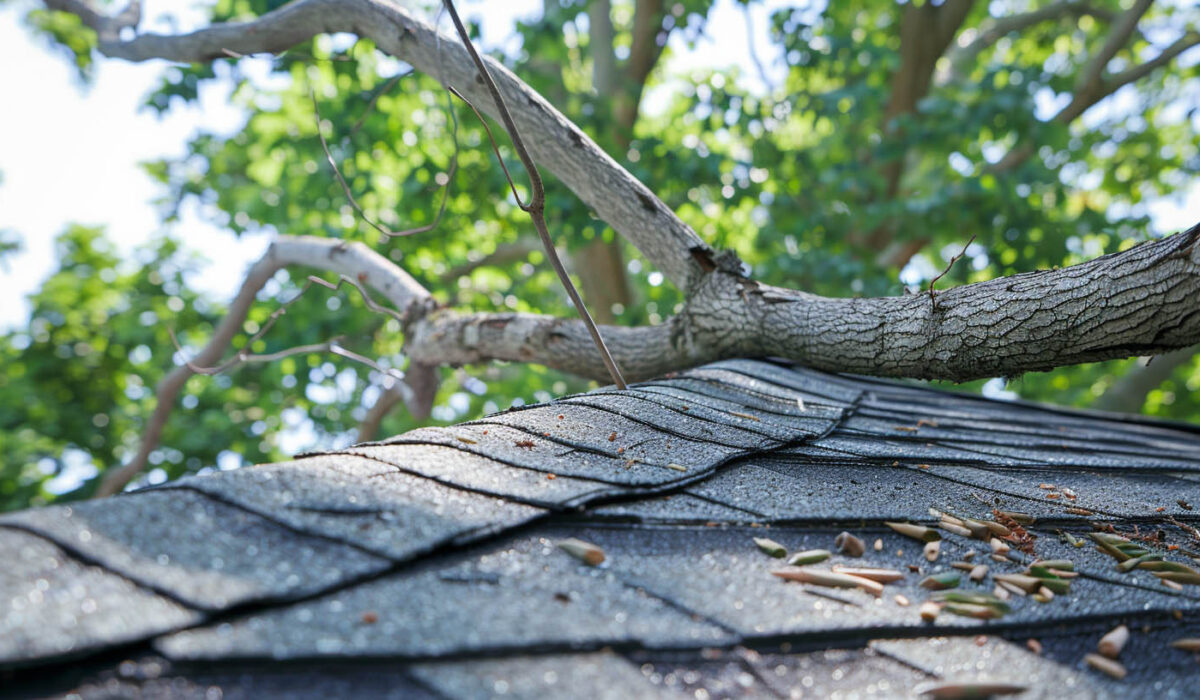
Tree damage is a hidden threat many Tulsa homeowners overlook until significant roof damage occurs. With unpredictable weather and mature trees all around, your roofing system faces risks from both falling trees and overhanging branches. Even small interactions—from scattered pine needles to lingering shade—can encourage mold growth, leaks, and structural issues. At The Roofing Guys, we help you understand how trees affect your roof, the early warning signs to watch for, and the best ways to protect your home from costly surprises.
How Trees Cause Damage to Residential Roofs
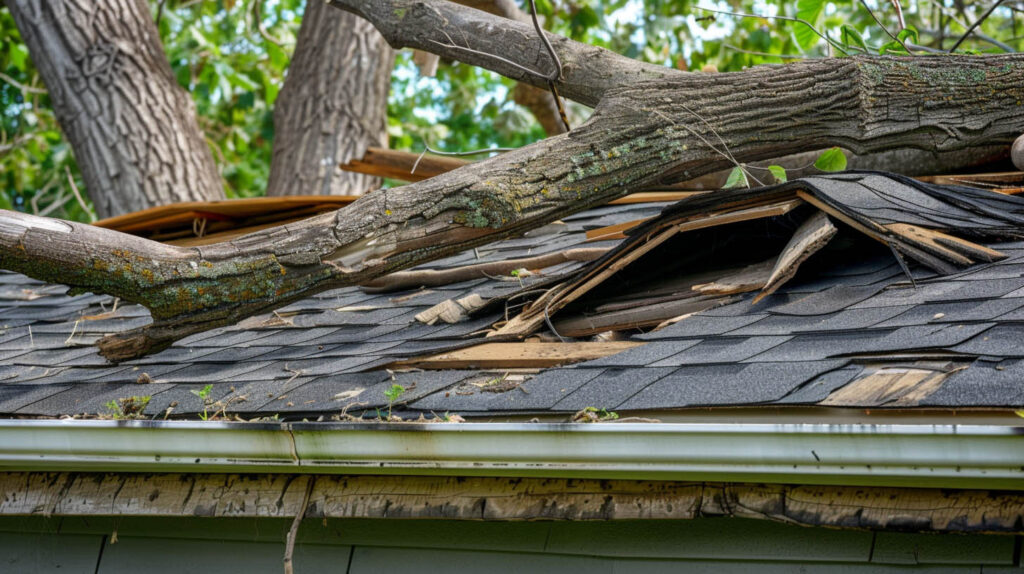
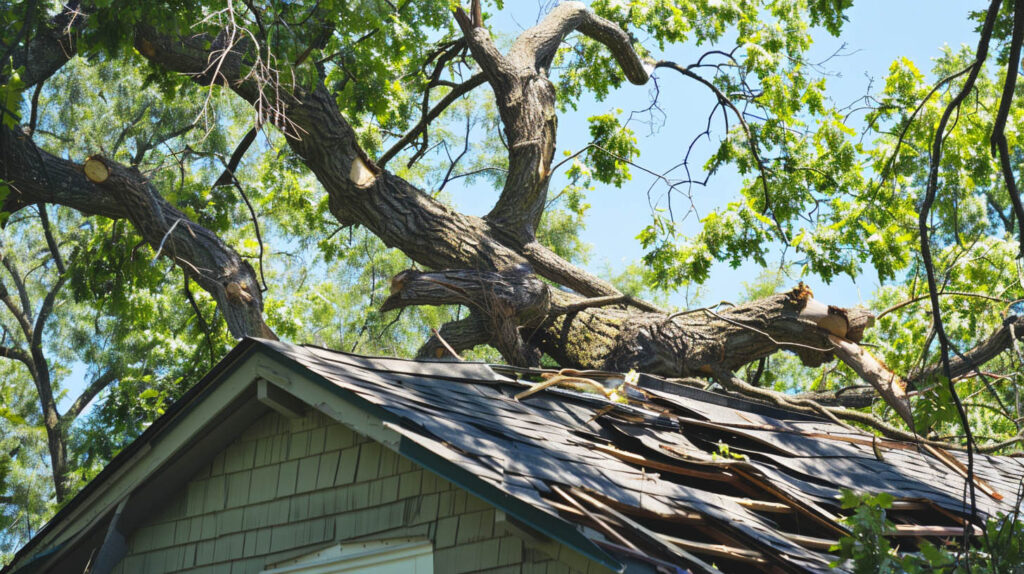
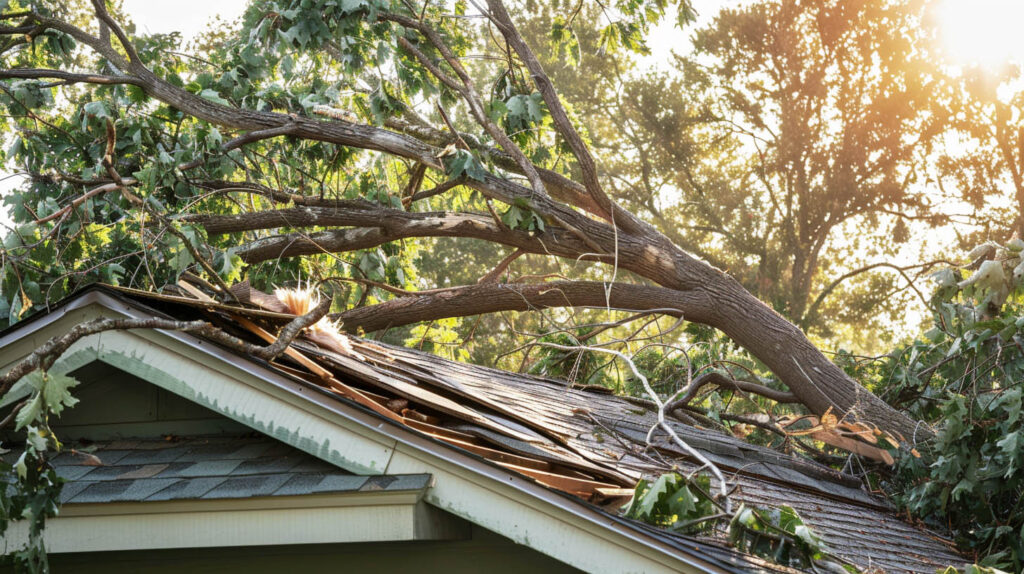
Fallen branches and entire trees pose significant threats to residential roofs, often leading to severe structural damage. The impact from these items can crack protective layers, dislodge asphalt shingles, and create roof leaks, exposing the roofing system to further damage. Additionally, overhanging limbs can cause ongoing abrasion against shingles, leading to signs of decay and compromised structural integrity. Homeowners must remain vigilant about tree health and proximity to prevent costly repairs and protect their homes from the dangers of tree-related damage.
Contact UsImpact of Fallen Branches and Whole Trees
Fallen branches and entire trees can lead to severe structural damage, impacting not only the roofing system but also the underlying structure of your home. Heavy limbs may crush asphalt shingles, resulting in missing shingles and exposing your roof to further damage, such as leaks and mold growth. Additionally, sections of the tree can obstruct gutter systems, causing water to back up and deteriorate protective layers. Proactive measures, such as tree removal services, can help mitigate these potential risks before they escalate into costly repairs.
Risks from Overhanging Limbs and Constant Contact
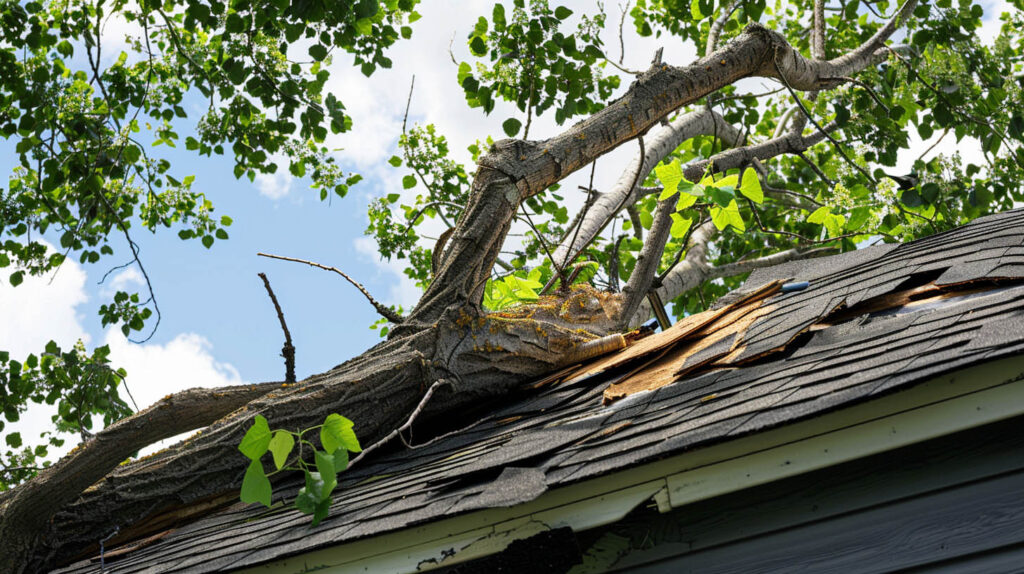
Overhanging limbs pose significant risks to roofs, especially during severe weather. The constant contact can lead to the abrasion of protective layers, resulting in material wear that may precipitate leaks and other forms of structural damage. Additionally, tree branches can drop unexpectedly, leading to potential damage from fallen limbs or an entire tree. Homeowners should regularly assess trees for hazardous limbs and engage professional services to execute necessary repairs or preventative tree removal, thus safeguarding their roofing system from costly repairs.
Common Signs of Tree-Related Roof Damage
Detecting the early signs of roof damage caused by trees is crucial in preventing further issues. Small interactions, such as branches scraping or debris piling up, often go unnoticed until missing shingles or mold growth appear.
How can I identify the early signs of tree-related damage to my roof before it becomes a bigger problem? Look for cracked, curled, or missing shingles, stains, moss, or dark streaks on the roof surface. Regular inspections, especially after storms, help catch these warning signals before more significant structural damage occurs.
Next, we’ll explore the most common types of visible and hidden roof damage.
Visible Shingle Cracking, Bruising, or Loss
Shingle damage frequently manifests as cracks, bruises, or outright loss, often stemming from tree-related events. When fallen branches or entire trees collide with a roofing system, they can compromise protective layers, leading to significant structural issues over time. Homeowners should keep an eye out for missing shingles or visible cracking, as these signs indicate the potential for further damage. Prompt action, such as contacting a roofing contractor for an assessment, is essential to address these vulnerabilities and prevent costly repairs.
Hidden Leaks, Mold, and Water Intrusion
Undetected leaks can lead to severe structural damage over time. The consistent presence of moisture encourages mold growth, which threatens not only the roofing system but also the overall indoor air quality. Tree branches rubbing against asphalt shingles can create micro-tears, allowing water intrusion during storms. Moreover, as leaves and debris accumulate, they block roof valleys and gutter guards, exacerbating these issues. It’s essential to inspect for hidden signs of roof damage regularly to avoid costly repairs and maintain a healthy home environment.
How Tulsa’s Climate and Weather Increase Risk
Tulsa’s unique climate presents several challenges that can exacerbate tree damage to roofs. Seasonal storms and high winds frequently pose potential risks, uprooting trees or causing branches to snap, leading to significant damage. Additionally, prolonged exposure to the sun and rain can weaken a roofing system’s protective layers, increasing vulnerability to leaks and mold growth. Business owners and homeowners must be aware of these environmental factors and take proactive measures to mitigate risks associated with tree-related damage.
Seasonal Storms, High Winds, and Hail Events
Severe structural damage can arise from seasonal storms, characterized by high winds and hail events that pose substantial risks to roofs. Fractured branches or even entire trees may become projectiles, while the force of the wind can dislodge protective layers like asphalt shingles, leading to roof leaks and structural issues. Homeowners should recognize that proactive measures, such as timely inspections and utilizing tree removal services, mitigate potential damage, thereby reducing the likelihood of costly repairs and insurance claims due to roof damage.
Long-Term Exposure to Sun, Rain, and Debris
Prolonged exposure to the elements can significantly deteriorate a roofing system. Intense sunlight can degrade protective layers, leading to weakened asphalt shingles. Meanwhile, continuous rainfall promotes mold growth and hidden leaks, often unnoticed until substantial structural damage occurs. Accumulating debris, such as pine needles or leaves, can clog gutters and direct water toward roof valleys, exacerbating potential risks. To mitigate these effects, implementing regular maintenance routines with a reliable roofing contractor is essential, ensuring necessary repairs are promptly addressed.
Effective Prevention Strategies for Homeowners
The good news is that proactive measures make a significant difference in protecting your roof from tree damage. Strategic tree trimming, regular inspections, and proper tree removal are all vital steps. Prevention is far more cost-effective than dealing with the fallout of significant roof damage.
What preventative steps can homeowners take to protect their roofs from nearby trees? Keep branches trimmed well back from your roof, clear debris regularly, and consult with a certified roofing contractor for ongoing maintenance. Next, learn how to put these prevention tips into practice.
Regular Tree Trimming and Safe Planting Distances
Proactive measures such as regular tree trimming are essential to maintaining structural integrity and preventing potential risks associated with close tree proximity. Ensuring that trees are adequately spaced from your roofing system not only mitigates the chance of severe structural damage but also reduces interactions that can lead to costly repairs. Homeowners should be aware of tree species and their growth habits to make informed decisions about placement and maintenance, minimizing the risk of significant damage from falling branches or entire trees.
Timing Inspections and Professional Roof Maintenance
Regular inspections and professional maintenance are essential in safeguarding your roofing system from severe structural damage caused by tree-related issues. Scheduling a thorough inspection after significant storms or high winds can help identify early signs of decay or potential risks such as roof leaks. Collaborating with a qualified roofing contractor ensures prompt action on necessary repairs, preventing small interactions from escalating into costly repairs. Additionally, timing maintenance seasonally allows homeowners to address both tree health and roofing integrity, minimizing long-term damage.
Call Us 918-842-8700Contact Us
In conclusion, understanding how tree damage affects your roof is vital for maintaining your home’s integrity. Fallen branches and overhanging limbs pose significant risks, especially in Tulsa’s unpredictable climate. By recognizing common damage signs and implementing prevention strategies like regular trimming and inspections, you can protect your investment. A well-maintained roof safeguards your home and boosts its value. If you’re worried about tree damage, contact The Roofing Guys for a free inspection and tailored quotes. It’s what we do!
Frequently Asked Questions
What should I do immediately if a tree falls on my roof?
Take prompt action by ensuring everyone’s safety and evacuating the area if needed. Contact a roofing company for emergency inspection, arrange tree removal, and notify your insurance company. Avoid starting roof replacement or repairs until a professional has assessed the damage.
Are certain roofing materials better at withstanding tree damage?
Yes, some roofing materials—such as high-quality asphalt shingles with reinforced protective layers—offer better resistance to structural damage. Consulting a certified roofing contractor ensures you select materials best suited to withstand tree impacts, reducing the risk of costly roof repairs in the future.
Read our blog: Understanding Roofing Warranties: What Homeowners Often Overlook