
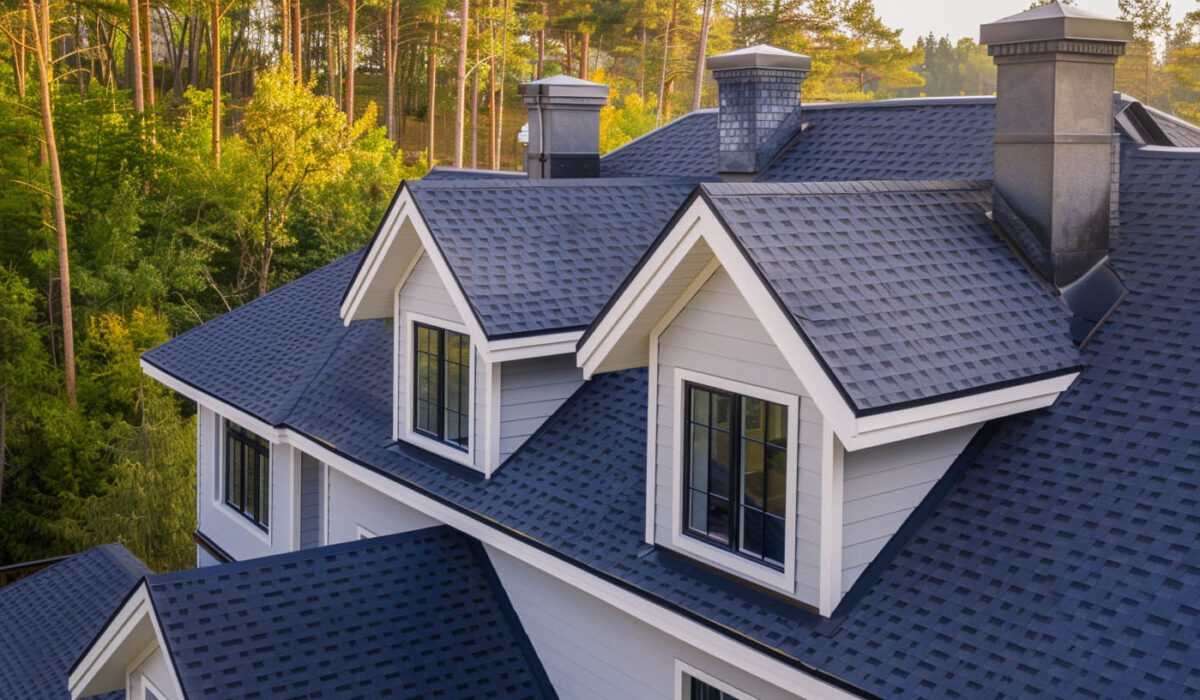
When it’s time to select a roof for your new home or a roof replacement, comparing a flat roof versus a pitched roof is one of the first and most important decisions you’ll make. The type of roof you choose affects everything from your home’s energy efficiency and design to how well it stands up to Tulsa’s changing weather. At The Roofing Guys, we help homeowners understand the strengths of both flat and pitched roofs so you can make a choice that suits your property, style, and budget.
Understanding Flat and Pitched Roofs: Key Differences
Flat roofs feature a very slight slope, designed primarily for efficient water drainage, while pitched roofs present a triangular shape that allows for better ventilation and snow runoff. The architectural style of each type of roof can significantly influence a building’s overall aesthetic and functionality. Flat roofing systems often utilize fewer materials and result in lower installation costs, whereas pitched roofs, with their variety of styles, can offer better insulation and curb appeal for residential properties.
Contact UsWhat Defines a Flat Roof?
A flat roof is characterized by its nearly level surface, typically with a slight slope for drainage. Constructed from materials like rubber, modified bitumen, or built-up roofing, it offers minimal pitch, providing usable rooftop space and easier access for maintenance compared to pitched roofs.
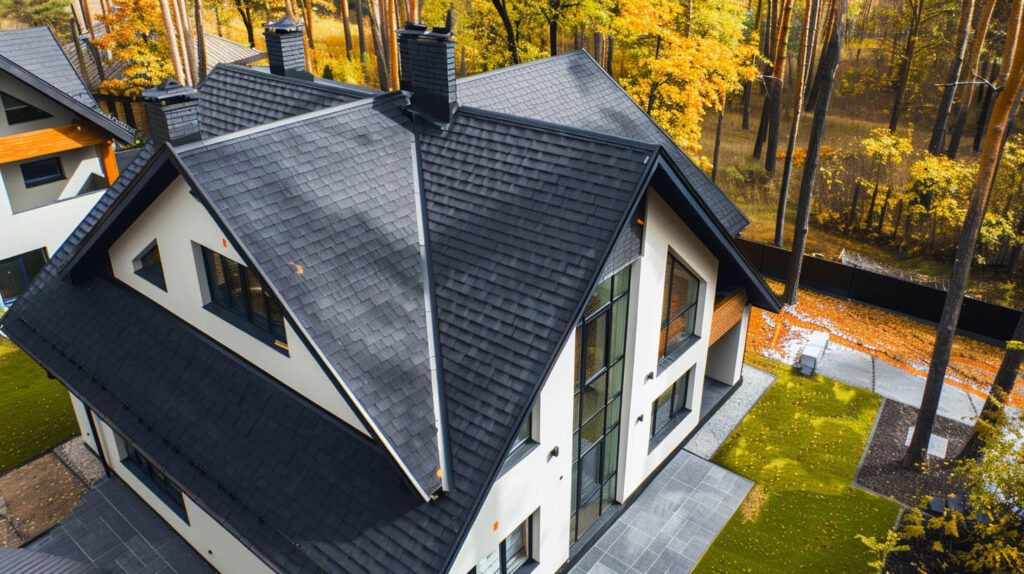
What Makes a Roof Pitched?
A pitched roof features a sloped design that facilitates water runoff, preventing pooling. This structure often enhances aesthetic appeal and increases attic space, allowing for ventilation. Materials used can vary, impacting durability and insulation, making pitched roofs a popular choice for many homeowners.
Pros and Cons of Flat Roofs for Residential Homes
Flat roofs present a compelling option for homeowners who want a modern look and efficient use of space. These roof systems require fewer materials and can boost energy efficiency, especially when paired with solar panels or rooftop gardens. However, flat roofs also have challenges, including the need for vigilant maintenance to prevent water pooling and potential structural issues. Understanding the pros and cons is essential for Tulsa, OK homeowners making a well-informed decision about their residential roof installation.
Let’s examine the specific advantages and drawbacks of flat roofs for modern residential construction.
Advantages of Flat Roofs in Modern Design
Modern home design often embraces the versatility of flat roofs, offering architects a canvas that complements various architectural styles. These roofs facilitate efficient water drainage and are conducive to the installation of solar panels, enhancing energy efficiency. The minimal slope allows for effective use of space, providing homeowners with opportunities for rooftop gardens or additional storage. Additionally, flat roofing tends to require fewer materials, resulting in lower material costs during roof installation and replacement, while also being easier to maintain.
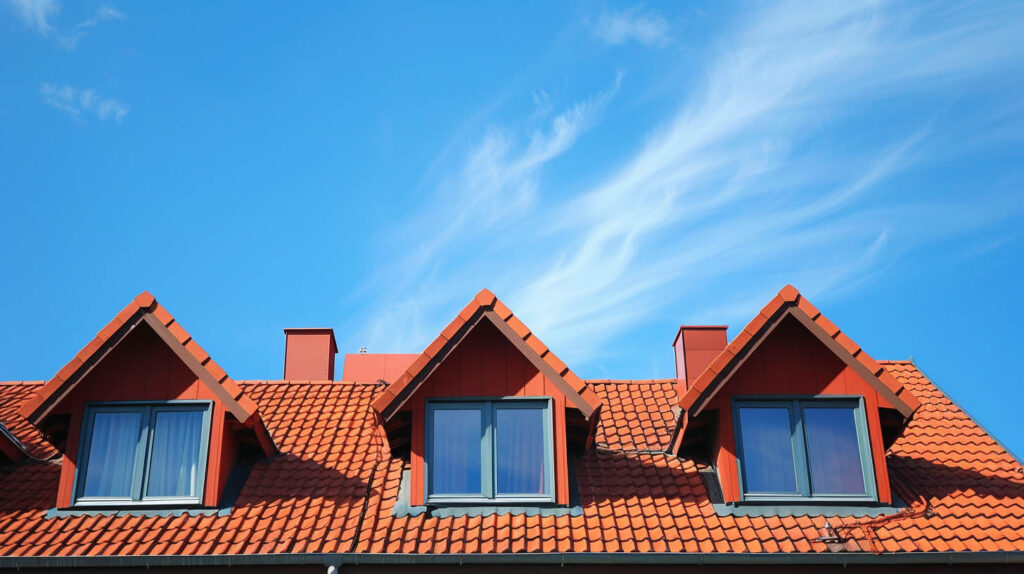
Potential Drawbacks of Choosing a Flat Roof
Choosing a flat roof can present several challenges for homeowners. One significant drawback is the potential for water pooling, which can compromise the building’s gutter system and lead to structural damage over time. Additionally, flat roofs often provide less efficient water drainage, increasing the risk of leaks during heavy rainfall. Due to their very slight slope, they may also have a shorter lifespan compared to sloped roofs, requiring more frequent roof replacement and potentially higher maintenance costs.
Pros and Cons of Pitched Roofs for Homes
Pitched roofs offer distinct advantages, including better ventilation and efficient water runoff, which minimizes the risk of water pooling and structural damage. Their triangular shape allows for effective snow load management, making them ideal for areas with heavy snowfall. However, this type of roof often requires more complex roof installation techniques and can involve higher material costs. Despite these points, the added curb appeal and energy efficiency can make pitched roofs a worthwhile investment for residential properties.
Benefits That Pitched Roofs Offer Homeowners
A sloped roof design provides several advantages for homeowners. Enhanced water drainage is a primary benefit, as pitched roofing efficiently directs rain and snow runoff, reducing the risk of water pooling and structural damage. This design also allows for better ventilation, which can boost energy efficiency and minimize heat loss during colder months. Additionally, the variety of styles available enhances curb appeal, making it easier to select a design that complements the architectural style of residential properties.
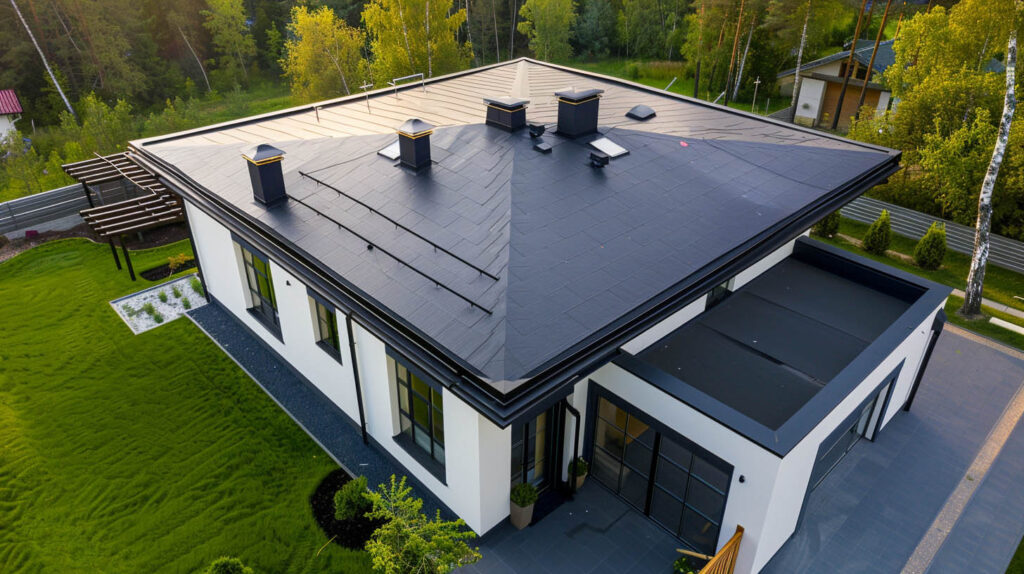
Possible Disadvantages of Pitched Roofs
Pitched roofs, while aesthetically pleasing and effective for water runoff, do present several challenges. The complexity of their design often leads to higher roofing systems costs due to increased material needs and labor. Additionally, maintenance requirements are generally more demanding; inspection and repair of roofing elements like gutters and shingles can be time-consuming, especially in regions experiencing heavy rainfall or snow. Moreover, the slight slope can create issues with water drainage, making homes vulnerable to structural damage over time.
Call Us 918-842-8700Get Quotes Today
Choosing between flat and pitched roofs can significantly affect your home’s aesthetics, functionality, and value. Each option offers unique benefits: flat roofs provide modern appeal and easier maintenance, while pitched roofs ensure better drainage and durability. Your decision should consider factors like climate, architectural style, and budget. At The Roofing Guys, we help you make informed choices for your home in Tulsa, OK. Ready to explore options? Get quotes from us today—your perfect roof is just a consultation away!
Frequently Asked Questions
How do maintenance needs differ between flat and pitched roofs?
Flat roofs usually require more frequent inspections and maintenance to clear debris and prevent water pooling, while pitched roofs benefit from better water drainage and generally need less maintenance. Still, all roof systems should be checked periodically, especially after storms, to protect residential homes from costly damage.
What is the best roof to put on your home?
The best roof for your home depends on your needs, climate, and style. Flat roofs suit modern looks and efficient space use, while pitched roofs excel at water runoff and insulation. Choose a roof type that matches your building’s gutter system and ensures optimal roof installation for lasting performance.
Read our blog: How Roof Ventilation Impacts Your Energy Bills and Indoor Comfort